












What not to do with your centrifugal pump
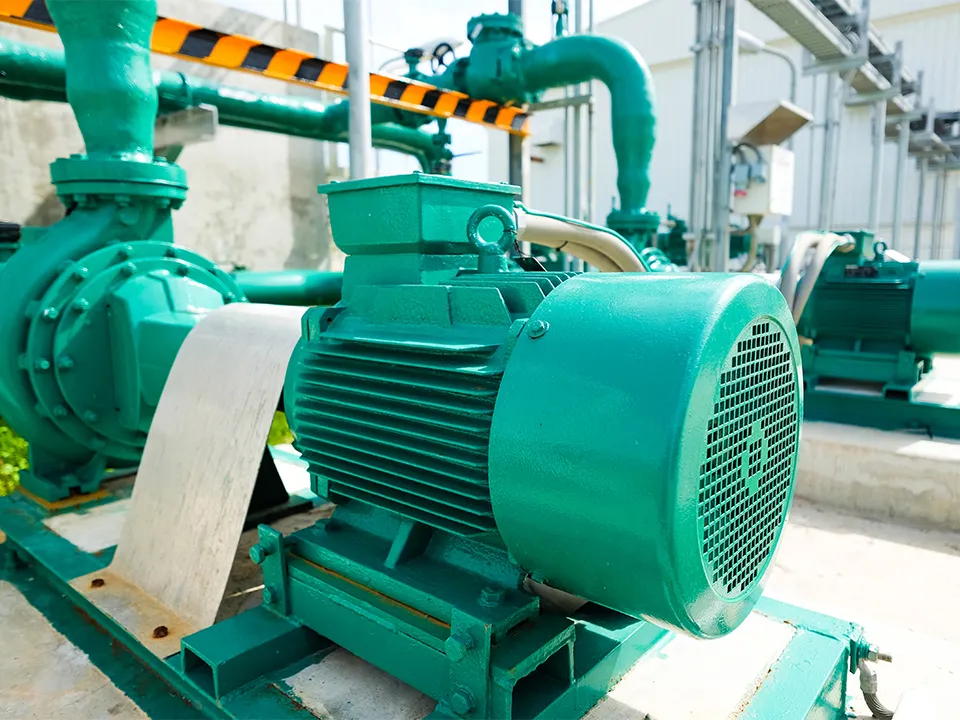
Centrifugal pumps are reliable pumps that require little maintenance.
Worldwide, they account for more than 40% of all liquid transport in industry. However, there are a number of things to bear in mind to avoid damage and ensure a reliable and safe pumping process.
Words Valérie Couplez | Images iStock and Verder

Pay attention when assembling or dismantling the pump to ensure that no bolts or nuts are left behind.
The operating principle of a centrifugal pump is very simple. Centrifugal forces generated by a rotating impeller draw liquid in at the inlet and build up pressure at the outlet. No valves are needed, and there are very few moving parts, making the centrifugal pump an exceptionally reliable part of your process. But that does not mean it is indestructible. Here are the main points to bear in mind to keep it in optimal condition.
Choose the right pump size
Good operation starts with the right selection. Centrifugal pumps have a very specific operating curve. When the back pressure starts to fall, the flow rate will increase and the motor power will follow. Once this happens, the pump will need more power than its rated power, become overloaded and start to overheat. If this continues for too long, the insulation on the motor windings will start to burn and cause an electrical failure. So take this entire process into account when selecting your pump.
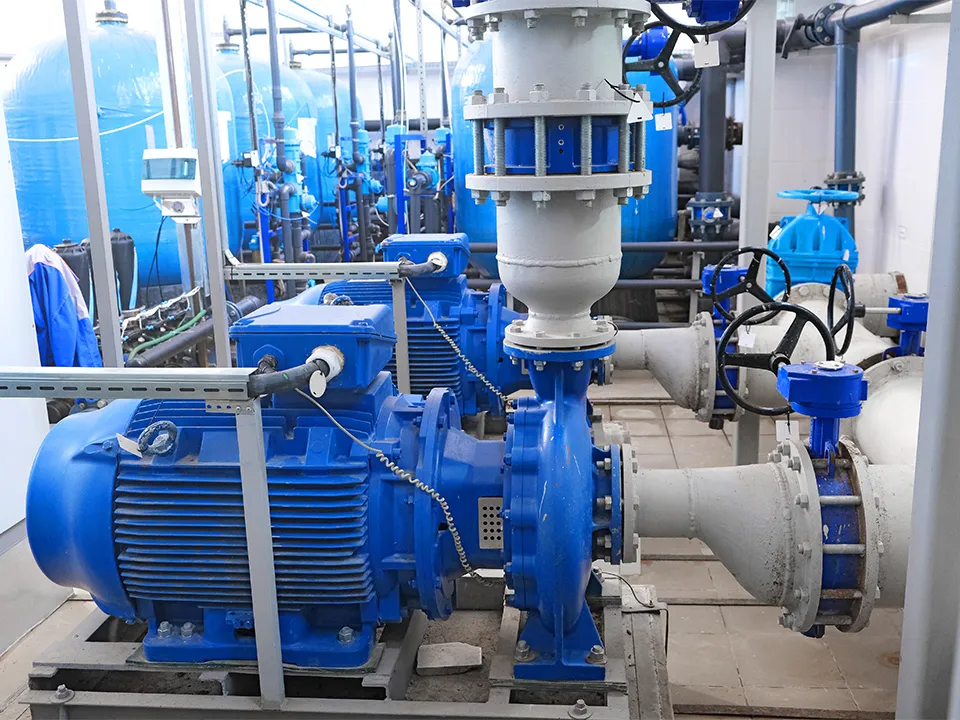
Water hammer is a typical problem in process systems with long pipe runs and large pipe diameters.
Choose the right mechanical seal
The most critical point on a centrifugal pump is the seal between the rotating shaft and the pump casing. In hygienic centrifugal pumps, this is usually a mechanical seal. It consists of two faces that run against each other. Under normal conditions, a thin film of liquid between the two faces ensures that the seal is lubricated. However, if there is no liquid in the pump or if the pump draws in a lot of air, the faces will dry out and start to overheat. The elastomers in the mechanical seal will burn and lose their sealing capacity. This problem can also occur if the temperature of the medium is too high and there is no flushing to cool the seal faces. The film will then evaporate and lubrication will decrease. So choose the right mechanical seal configuration and select the right seal material.
Choose the right installation size to prevent cavitation
This problem typically occurs when the pipework on the pump’s inlet side is not configured correctly. If too much resistance is created by a closed valve or an undersized pipe system, the pump will not operate correctly. This causes air bubbles to form in the medium at the pump inlet because the liquid pressure has fallen below the vapour pressure and the liquid starts to boil. The bubbles implode when they enter a higher-pressure area of the pump, creating a jet effect on the pump components. The result is severe damage. Impellers often develop many holes as a result of cavitation. Cavitation also causes vibration, which has a destructive effect on bearings, mechanical seals, the shaft coupling and the impeller screws. In the event of cavitation, the pump will stop pumping the liquid. To avoid this problem in critical applications, choose a pump with a low NPSHr value that can also operate in demanding conditions.
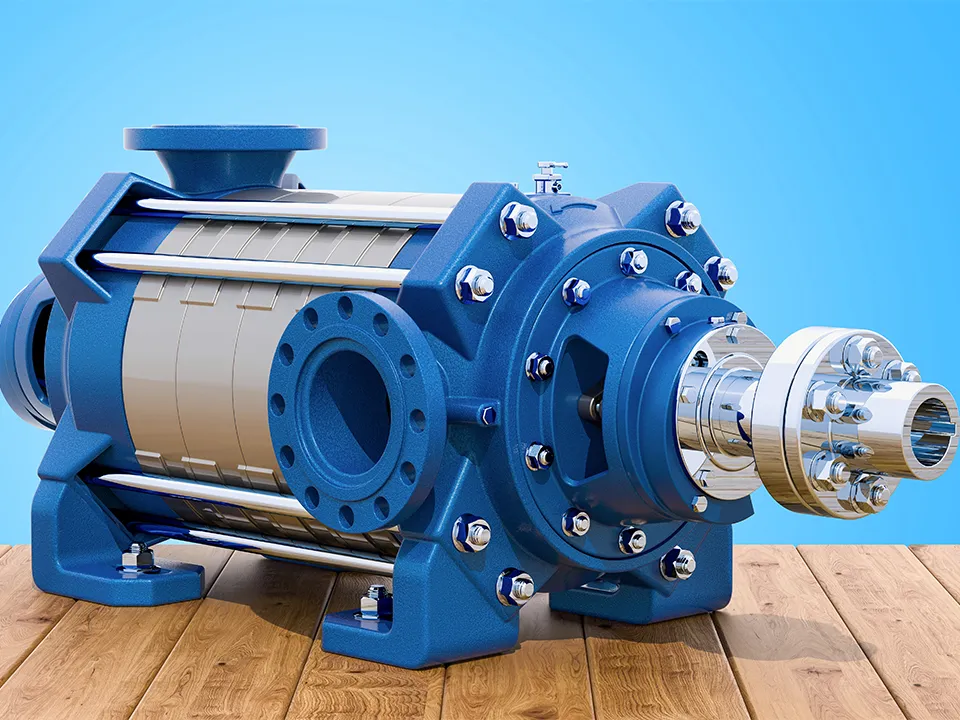
The most critical point on a centrifugal pump is the seal between the rotating shaft and the pump casing.
Choose the right installation system to prevent water hammer
Water hammer is a typical problem in process systems with long pipe runs and large pipe diameters. It occurs when a large mass of liquid encounters a valve that closes quickly. In response, it sends a pressure surge back through the system, past the centrifugal pump. This can cause serious damage to the mechanical seals, backplate or even the pump casing. The problem can be resolved by choosing slower-closing valves and/or shorter pipes, where possible.
Pumping foreign objects
If the medium becomes contaminated with objects such as bolts or nuts, the impeller will seize because there is only limited clearance. Even if the pump is fitted with a free-passage impeller or a channel impeller, which can pump objects as large as potatoes, metal or hard particles will in most cases fail to pass through the pump and become lodged between the impeller and the pump casing. This can damage the impeller, casing and bearings. To avoid this problem, pay attention when assembling or dismantling the pump. Screening the bulk material beforehand is also recommended.
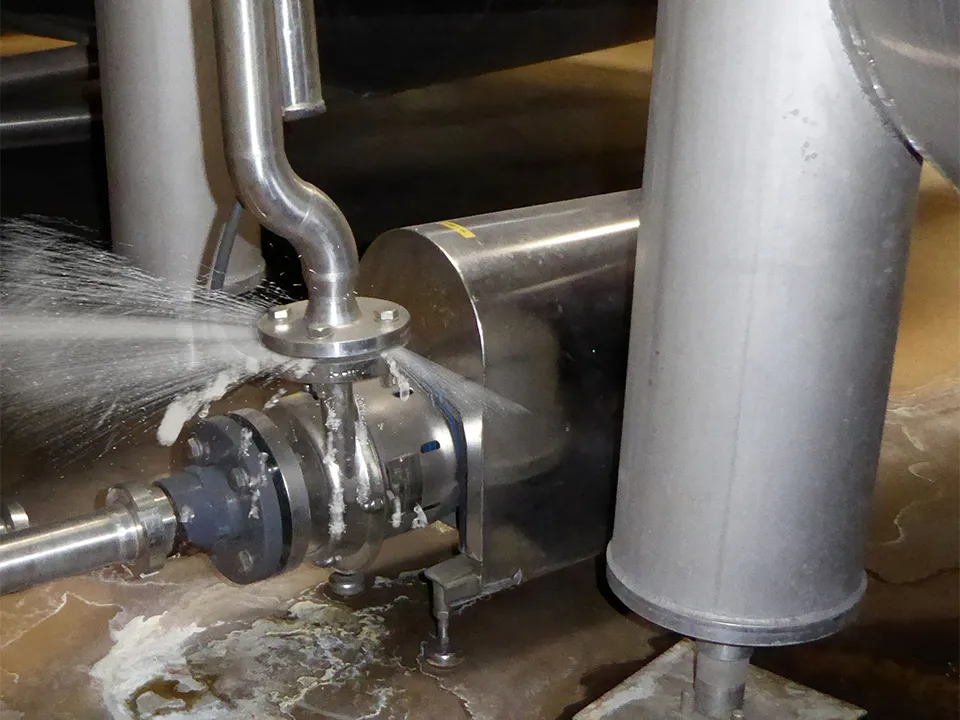
No valves are needed, and there are very few moving parts, making the centrifugal pump an exceptionally reliable part of your process.
Choose the right seal for variable or high system pressures
Most hygienic pumps operating under straightforward process conditions are fitted with bellows seals. The pressure between the two sides of the seal depends largely on the inlet pressure. When inlet pressure is high, some build-up can occur and cause damage. However, continuously high inlet pressure will inevitably cause significant wear on bellows seals. Both problems can be resolved by using a balanced mechanical seal that operates independently of the inlet pressure.
Frequency inverter and connections
Cables that are too long will cause EMC and insulation problems. In larger motors, this can lead to bearing damage. Poor electrical connections can cause the motor to operate on just one winding instead of three, resulting in burnout. Excessive speeds require too much power, while speeds that are too low cause ventilation problems. If the frequencies are not switched correctly, noises may occur that sound like a broken bearing or a cavitating pump. However, this can be avoided by following the instructions carefully.
Question about this story? Ask your question
Keep following this
Get an email when a new story is published. No account needed.
- ThemeLess downtime through maintenance
- SubjectNews







